

page
Brazing process for metal joining
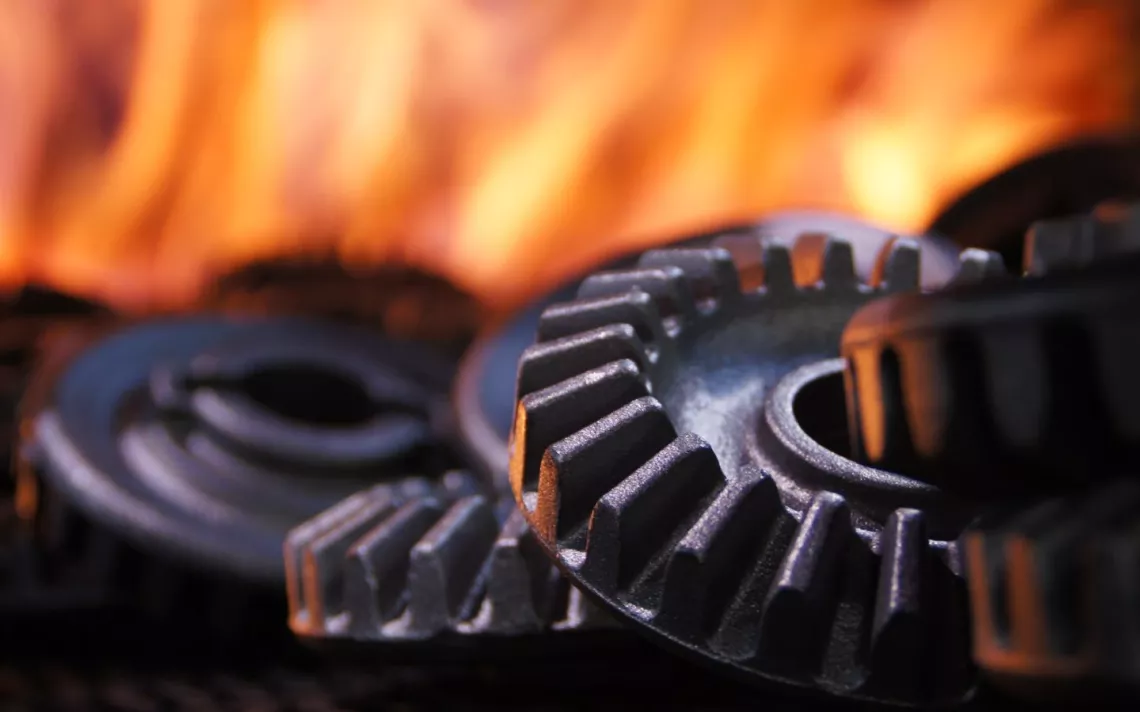
Brazing is a metal-joining process in which components are assembled using a filler metal whose melting point is lower than that of the base materials.
Unlike welding, the base metal does not melt: only the filler alloy liquefies and flows by capillarity into the joint, creating a strong, sealed and durable bond. Brazing is ideal for precision assemblies requiring mechanical strength and minimal distortion.
Brazing temperatures typically range from 180 °C to 1200 °C, with the most common industrial applications between 450 °C and 1100 °C. Depending on the filler metal and material requirements, the process can be carried out under:
- Neutral atmospheres (N₂, Ar)
- Reducing atmospheres (H₂)
- Controlled multi-gas protective atmospheres
These controlled conditions prevent oxidation and ensure clean, high-quality joints.
page
Normalizing heat treatment process
Normalizing is a heat treatment used to refine steel microstructures and restore their mechanical balance.
The process consists of heating the material above the AC3 critical temperature, followed by cooling in still air. This transformation converts austenite into a fine ferrito-pearlitic structure with improved mechanical properties.
Normalizing improves grain structure, enhances homogeneity and relieves internal stresses introduced during forming, machining or forging.
Typical normalizing temperatures are approximately 50 °C above AC3, followed by controlled air cooling to achieve a uniform microstructure.
page
Quenching heat treatment process
Quenching is the final and critical step of the hardening process.
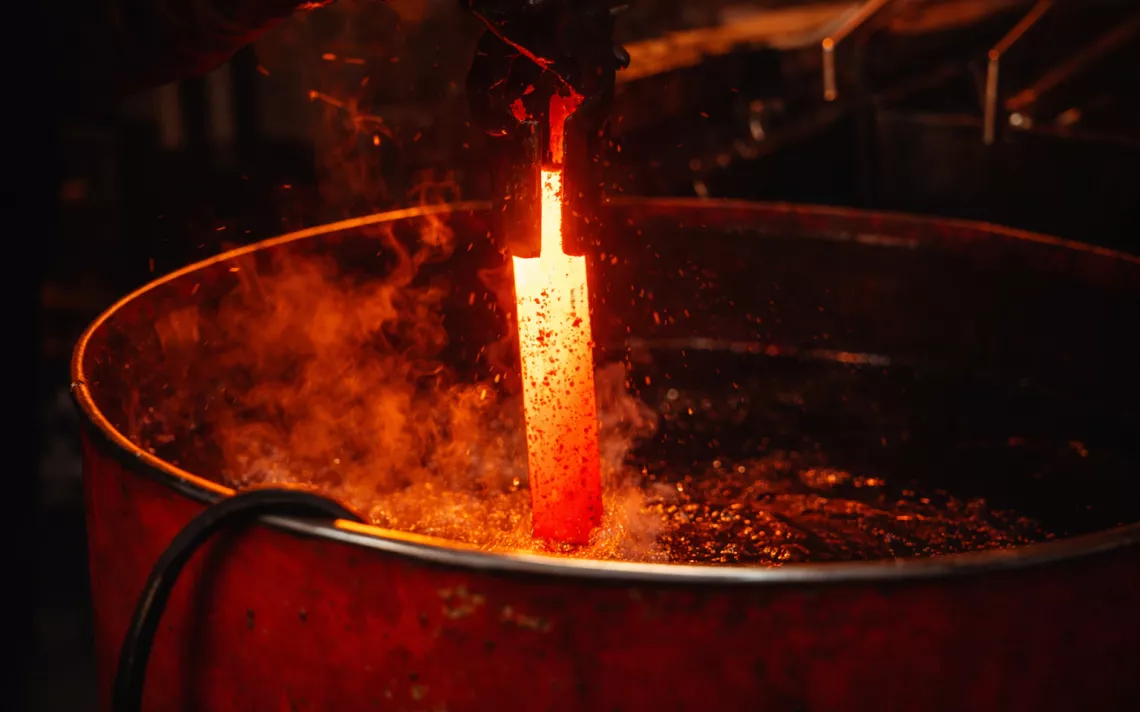
After heating above the AC3 critical temperature, parts are rapidly cooled below the martensitic finish temperature (Ms). This transformation of austenite into martensite leads to a significant increase in hardness and mechanical strength.
Quenching can be performed in various media—gas, salt, oil, water or air—each offering a specific cooling rate and operating window. Selecting the right quenching medium is essential to obtain a fully martensitic structure while avoiding undesirable mixed phases such as pearlite or bainite.
page
Vacuum Furnace – Precision Heat-Treatment for Small & Medium Loads
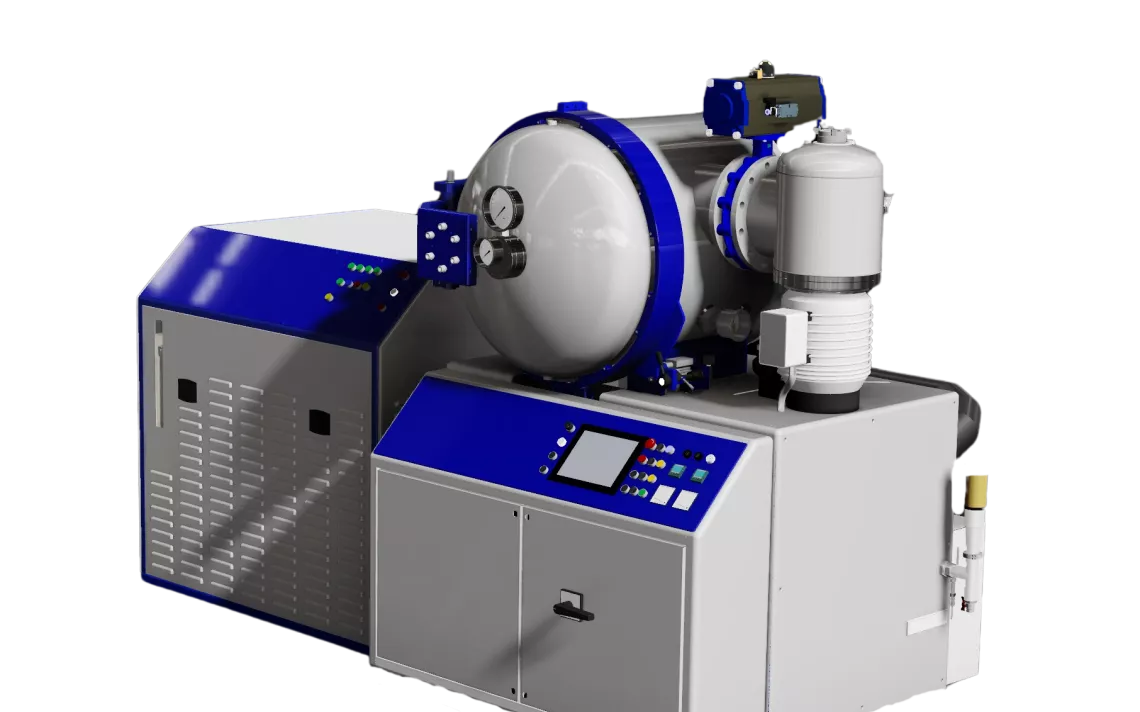
The vacuum furnace enables high-quality thermal treatments under vacuum or inert-gas conditions.
Its capabilities include hardening, tempering, brazing, stress-relief, ageing, or solubilization. With precise atmosphere isolation and controlled heating/cooling, parts exit the process bright, clean, and dimensionally consistent.
This solution is ideal for manufacturers, laboratories and heat-treaters working with small to medium batches of high-value components requiring top-tier surface quality, stability, and process traceability — such as tooling, aerospace parts, medical devices, watch components, AM components, and specialty alloys.
page
Book an Appointment with a Codere Expert
Need information, technical support, or a commercial discussion? Our experts are available to assist you based on your needs and region.