
page
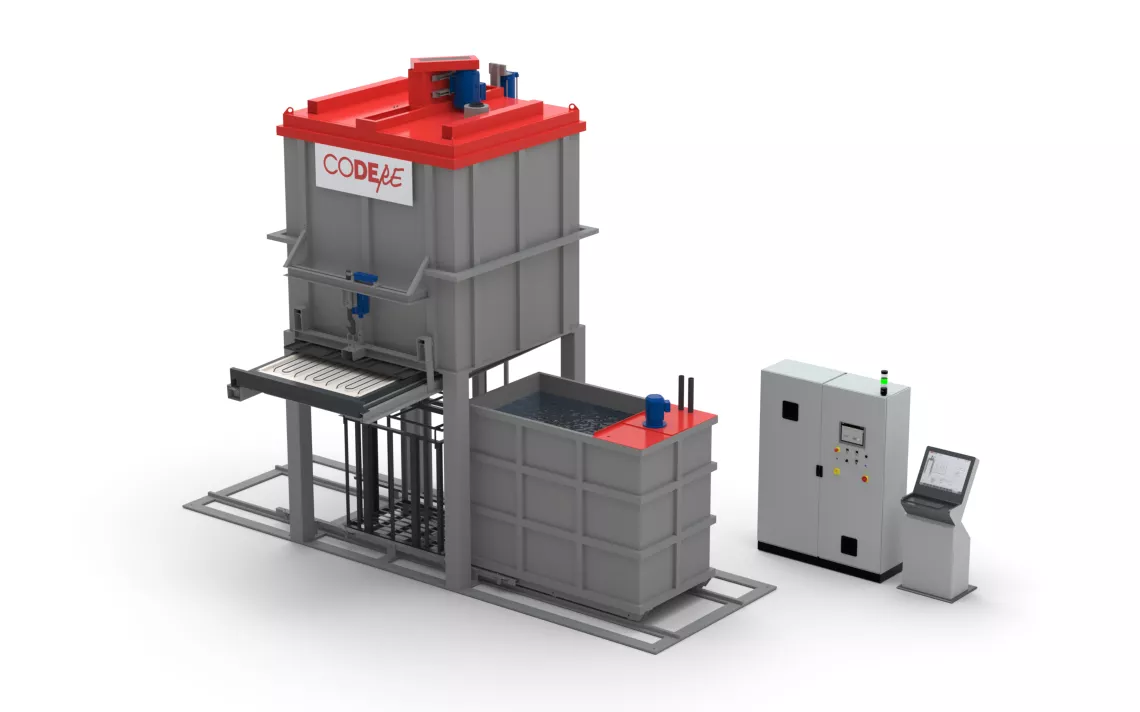
System 120 – Solution & Aging Furnace for Aluminium
The System 120 is a drop-bottom furnace designed for the solution treatment and aging of aluminium and titanium alloys
Built to meet AMS 2750 and CQI-9 requirements, it ensures excellent temperature uniformity and minimal transfer time for optimal metallurgical properties in both aerospace and high-performance engineering.
Ideal for manufacturers producing structural or high-integrity components, the System 120 provides repeatable quality, controlled quenching, and full traceability—making it the benchmark solution for critical light-alloy heat treatment.
page
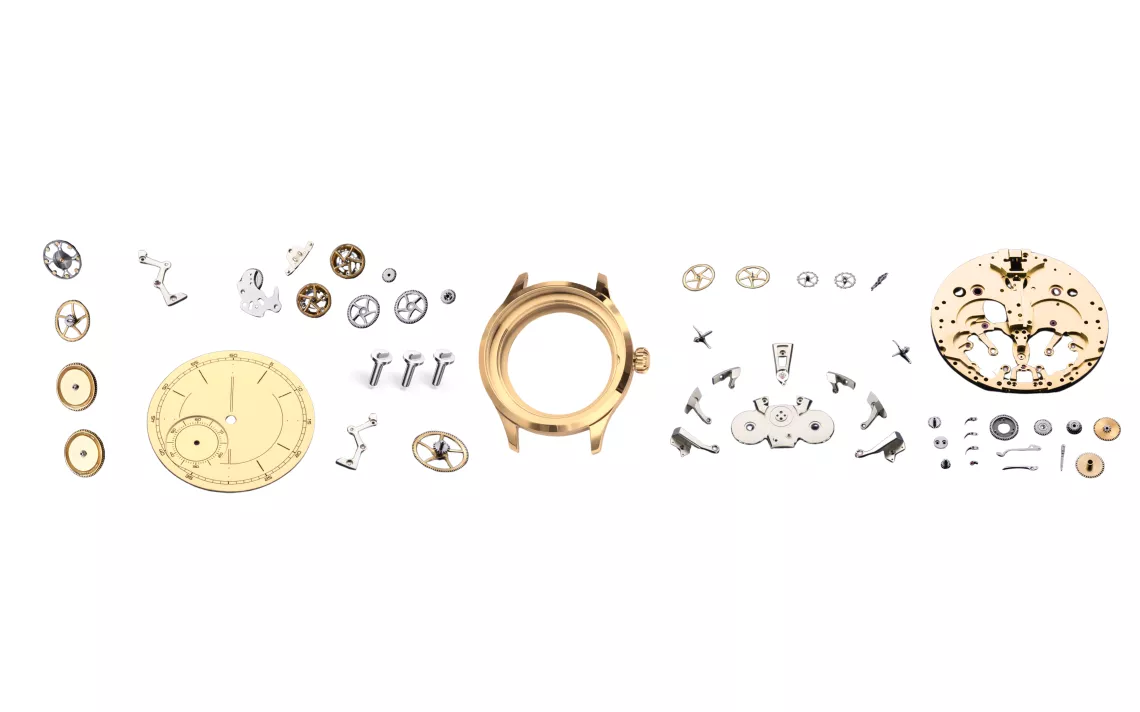
Watchmaking: precision heat treatment for high-end Swiss watch components
The heat treatment of watch components is rooted in traditional techniques and expertise passed down through generations.
Historically, the quality of results depended heavily on the experience of the hardener and the gradual evolution of methods and equipment.
Modern watch manufacturers now rely on high-performance furnaces to ensure flawless metallurgy, repeatability, and compliance with strict safety and quality standards. Codere offers both standard solutions tailored to watchmaking and fully customized systems based on specific technical requirements.

page
Defense: high-precision Heat Treatment for mission-critical applications
The defense sector is one of the most demanding and technologically advanced industries worldwide.
Components used in military and security systems must demonstrate exceptional reliability, durability, and performance under extreme operating conditions, including high mechanical stress, severe temperature variations, and corrosive environments.
With more than 35 years of Swiss engineering expertise, Codere SA delivers heat treatment systems designed to meet the strictest requirements in the defense industry. Our solutions ensure process stability, tight temperature uniformity, advanced traceability, and full compliance with international quality standards.

page
Automotive : efficiency, durability, and precision in large-scale heat treatment
The automotive and heavy vehicle industry demands high productivity, consistent quality, and exceptional mechanical performance.
From engine components to transmission elements and chassis parts, manufacturers must achieve tight dimensional tolerances, excellent wear resistance, and stable metallurgical properties — all at high production volumes.
With more than 35 years of experience in industrial furnace design, Codere SA delivers flexible, robust, and highly repeatable heat treatment systems tailored to automotive, utility vehicle, and Agricultural machinery manufacturers, ensuring compliance with standards such as CQI-9 and IATF 16949.


page
Precious Metals: high-precision annealing solutions for gold and platinum alloys
The precious metals sector requires extremely precise heat treatment to ensure perfect ductility, surface integrity, and workability of materials such as gold and platinum alloys.
During manufacturing, intermediate annealing steps are essential to reshape the metal without defects.
Codere’s System 340 annealing furnaces are highly valued by refining houses and precious metal manufacturers. They enable controlled heating below the alloy’s melting point, followed by rapid quenching to restore ductility and facilitate forming or shaping operations.
page
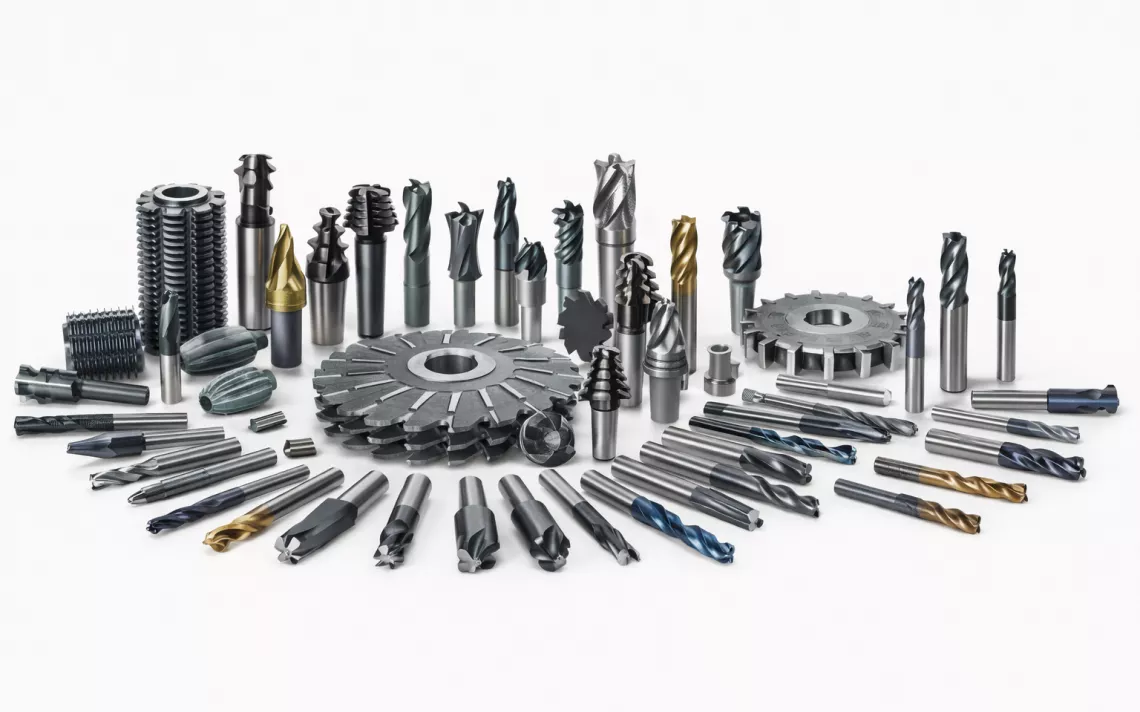
Tooling: high-performance heat treatment solutions for hand tools, dies, and molds
The tooling industry is the backbone of modern manufacturing by providing precision tools.
Such as cutting instruments, dies, molds, punches, and forming tools to sectors including automotive, aerospace, medical devices, and energy. These tools operate under extreme mechanical loads, friction, and thermal cycles, requiring exceptional hardness, wear resistance, and dimensional stability.
For tool manufacturers, the success of each tool — and the quality of the parts it produces — depends directly on the precision and reliability of its heat treatment. Codere SA delivers systems that ensure repeatable, controlled, and distortion-free results for high-performance tool steels.
page
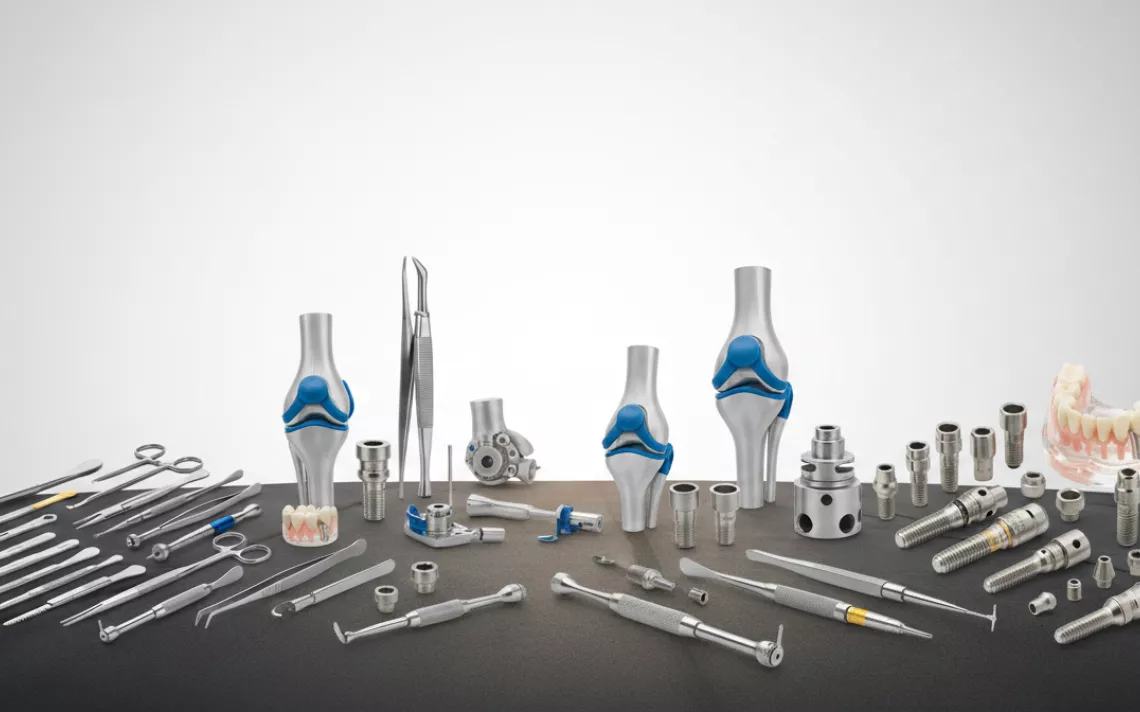
Medical industries: precision, repeatability, and compliance for the most demanding applications
The medical sector requires exceptionally high precision, repeatability, and cleanliness.
Medical instruments and implants must meet strict regulatory requirements, including the ISO 13485 quality management system, and guarantee absolute reliability throughout their lifecycle.
Codere SA offers heat treatment equipment specifically designed to support these requirements. With our HTView supervision software, full traceability, advanced data recording, and remote-control functionalities are ensured—matching the stringent expectations of medical device manufacturers.
page
Hardening heat treatment process
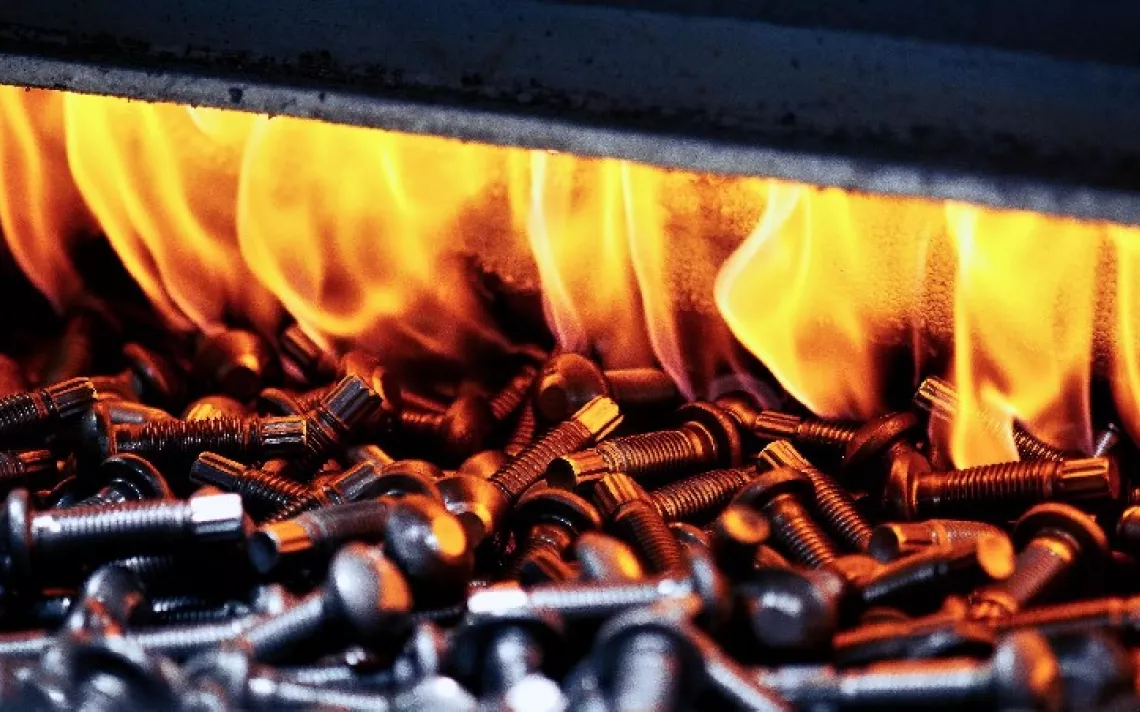
Hardening is a heat treatment process that consists of heating steel components to the appropriate temperature to form austenite, followed by rapid cooling in a quenching medium.
During quenching (gas, salt, oil or water), the austenitic structure transforms into martensite or bainitic, significantly increasing hardness and mechanical strength.
Hardness after quenching depends primarily on the carbon content of the steel, as well as the quenching speed and atmosphere conditions. Neutral hardening is typically performed under precisely controlled protective atmospheres to ensure clean component surfaces and consistent metallurgical properties.
page
Carburizing heat treatment process
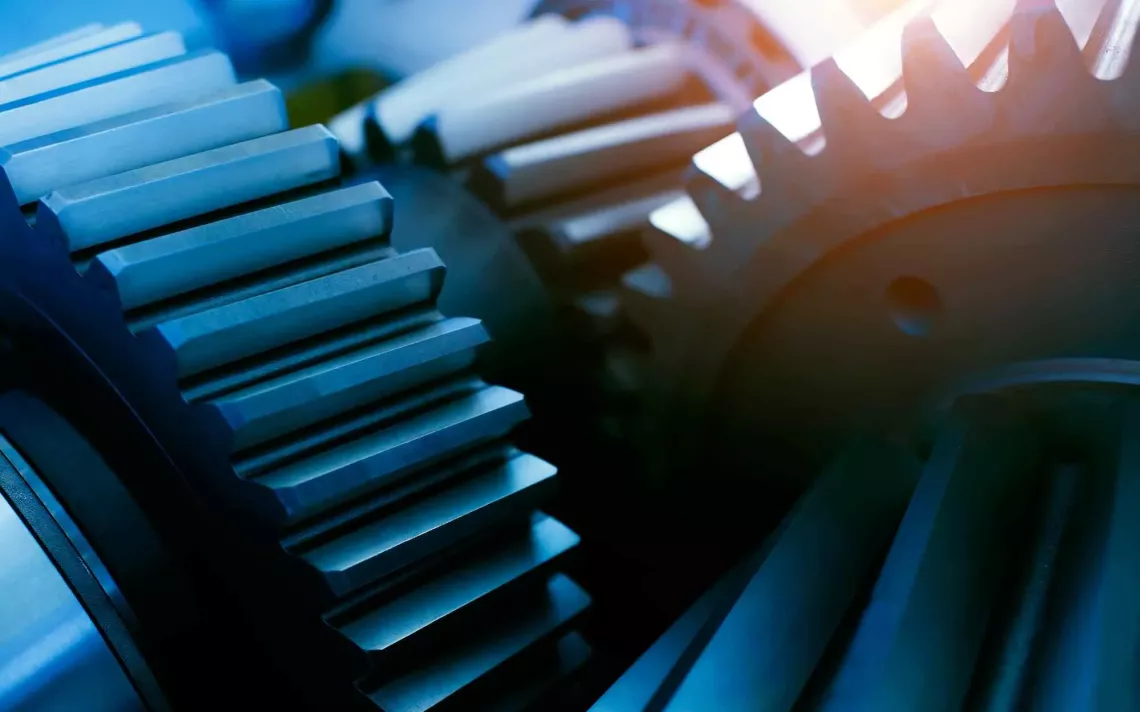
Carburizing is a thermochemical process that enriches the steel surface with carbon to improve hardness, strength and wear resistance.
Parts are heated above the AC3 temperature in a controlled carburizing atmosphere and maintained for a defined time to achieve the desired case depth.
Carbonitriding is a related process in which both carbon and nitrogen diffuse into the surface. Nitrogen is typically supplied by ammonia, increasing hardenability, heat resistance and wear performance.
After carburizing or carbonitriding, parts are quenched (gas, salt, oil or water) to harden both surface and core. The higher carbon content at the surface improves achievable hardness and increases mechanical resistance.
page
Nitriding and nitrocarburizing heat treatment process
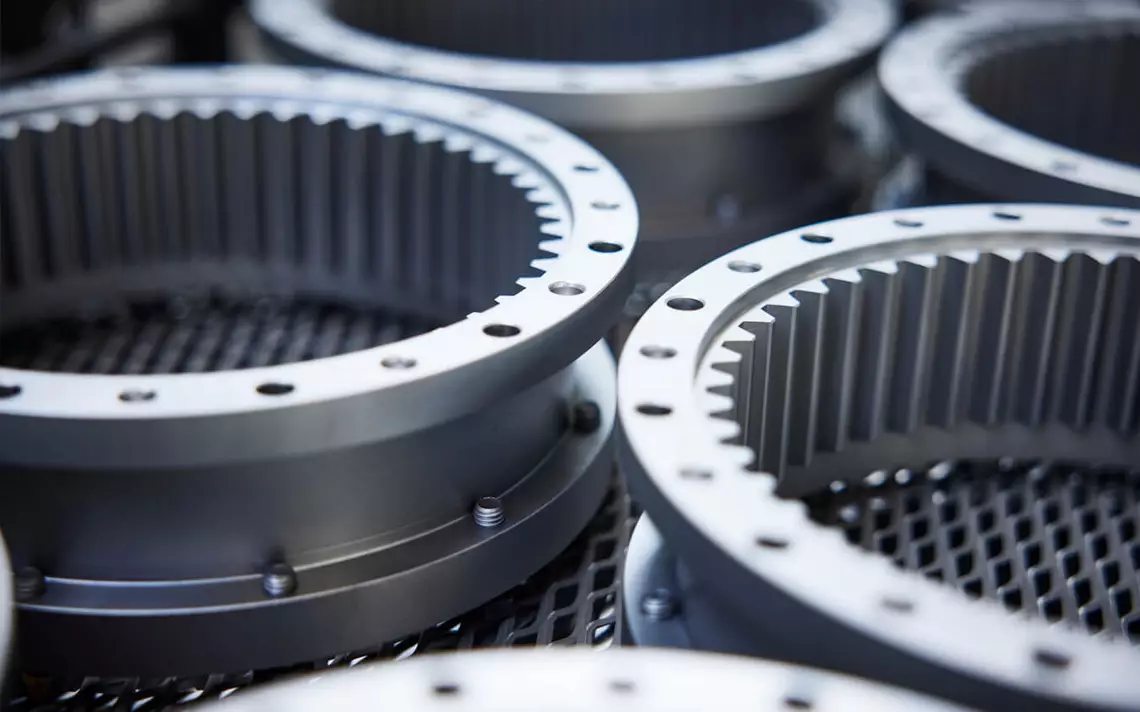
Nitriding is a thermochemical treatment in which nitrogen diffuses into the surface of steel to increase hardness, wear resistance and fatigue strength.
Nitrocarburizing is a related process that introduces both nitrogen and carbon into the surface by adding propane or methane.
The Nitrding treatment depth is time- and temperature-dependent, and the process is carried out under a controlled atmosphere. Specific nitriding steels allow the formation of hard nitrides (ε, γ’).
The nitriding process typically produces a two-layer structure: a compound layer and a diffusion layer, whose formation depends on the nitriding potential.
Nitrocarburizing reduces cycle time and allows greater control of layer composition.
Temperature for nitriding processes generally ranges from 490 °C to 560 °C, depending on material and desired layer characteristics.
page
Tempering heat treatment process
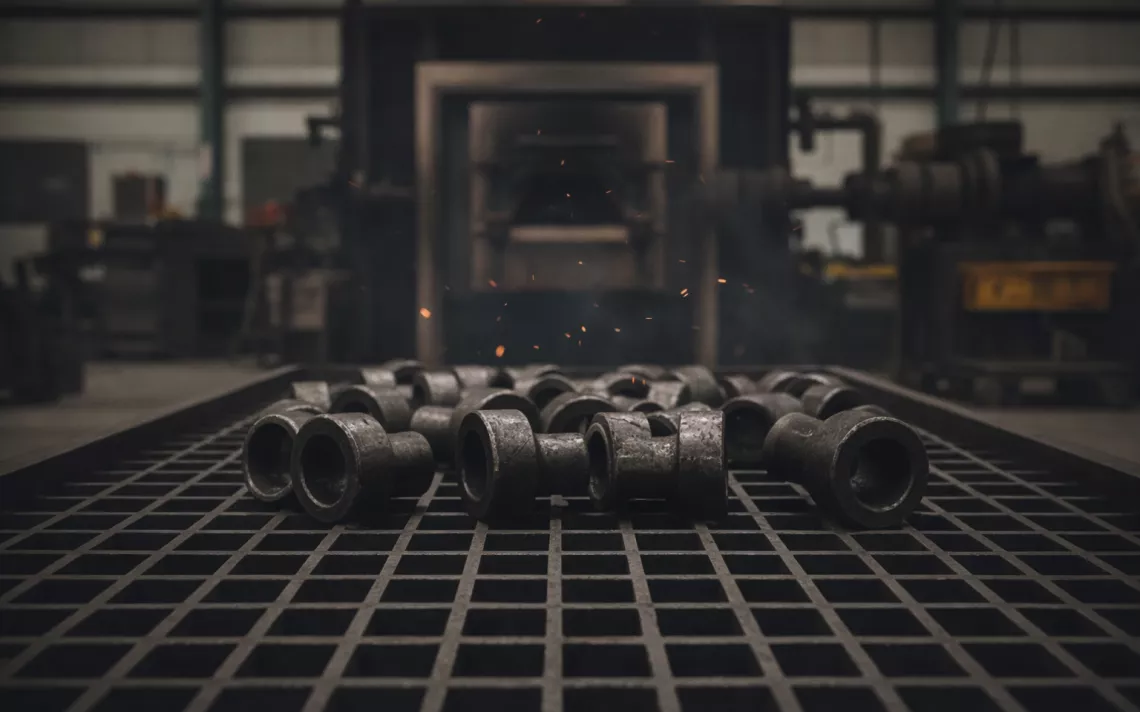
Tempering is performed after hardening to balance hardness and toughness in steel components.
Because hardened parts are highly hard but brittle, tempering reduces hardness, increases ductility and stabilizes mechanical properties. Temperature control during tempering is essential to achieve the desired final performance.
The required tempering temperature depends on the steel grade and the target hardness. After tempering, the microstructure becomes tempered martensite, offering the desired compromise between mechanical strength and hardness.
Depending on alloying elements, certain steels—such as maraging steels—can even gain hardness during tempering.